Tusk: Europe Will Not Consult Kremlin on Ukraine Peace Negotiations
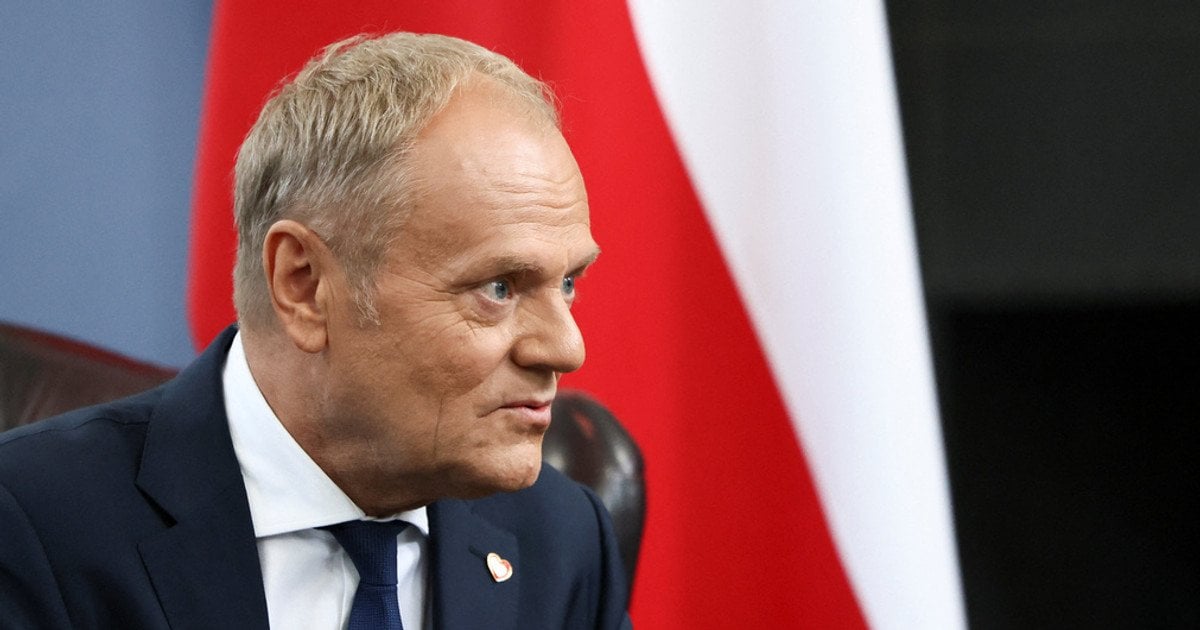
Polish Prime Minister Donald Tusk stated that European nations will independently shape their stance on ending the war in Ukraine, rejecting Moscow's attempts to influence the diplomatic process.
 🏙️City
Photo: TSN
Key points
- Tusk stated that Europe will not consult with Russia on its negotiating position.
- European countries are reaching a consensus on supporting Ukraine and a new security architecture.
- The statement responds to Putin's initiatives regarding European participation in talks.
- Moscow has no right to determine the conditions of Europe's involvement in diplomatic processes.
Polish Prime Minister Donald Tusk has drawn a clear line in the diplomatic sand, asserting that European countries do not need advice from the Kremlin regarding how to organize their participation in negotiations aimed at ending the war in Ukraine. This firm stance serves as a direct response to recent claims by Russian President Vladimir Putin, who stated that Moscow had invited European representatives to consultations on security matters.
A Unified Front Against External Pressure
Tusk emphasized that despite potential disagreements among European states on specific issues, there is a strong consensus on supporting Kyiv and establishing a new security architecture for the continent. He noted that in these critical areas, European nations are successfully building a unified position that excludes external interference from the aggressor state.
The Polish leader stressed that Moscow has no right to dictate how Europe should be represented in diplomatic processes aimed at stopping Russian aggression. He was explicit in his refusal to engage in such consultations: "No one intends to consult with Russia on how the European side of these negotiations should look."
This rhetoric indicates that Brussels and Warsaw are determined to maintain autonomy in defining the future order in the region, refusing to allow the Kremlin to set the terms or influence the joint negotiating strategy of Western partners.
Diplomatic Context
Earlier, Vladimir Putin claimed he saw no insurmountable obstacles to reaching agreements, but effectively demanded that Kyiv and Europe accept Russian conditions, particularly regarding territorial changes. Tusk's statement suggests a shift towards a harder line in European diplomacy, where the initiative remains firmly in the hands of Western allies rather than the aggressor.
Source TSN — tsn.ua/svit/tusk-rizko-postavyv-rosiiu-na-mistse-yevropa-ne-zbyrayetsia… ↗
Read next
 🧠AI Analysis
Orbital Threat: Western Intelligence Warns of Russian Plans to Deploy Nuclear Weapons in Space
Reports suggest Russia may launch a nuclear-armed satellite within weeks, posing a severe risk to global satellite networks and terrestrial infrastructure.
 🎓Education
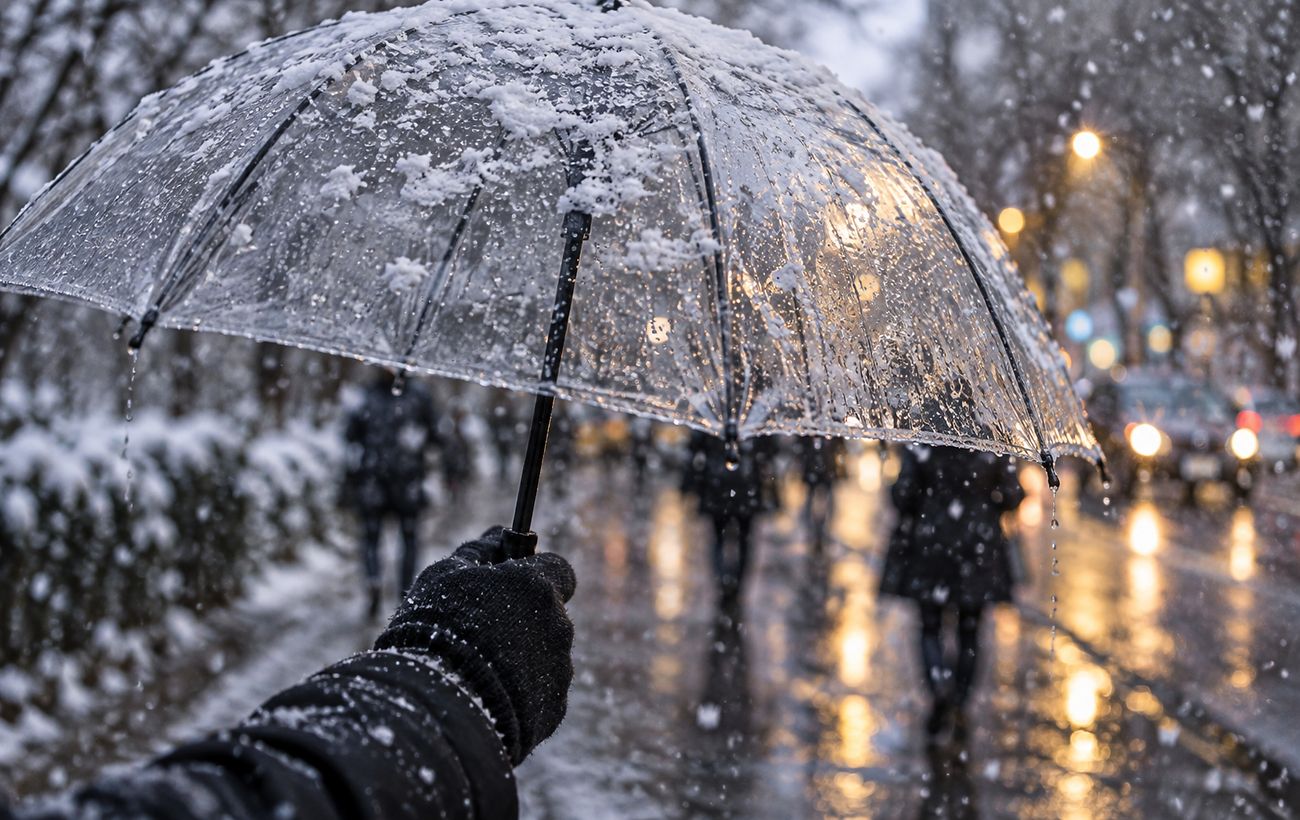
Snow and Frost in Uman: How Weather Changes Will Affect the School Week
Uman is facing a cold wave with snowfall and daytime frosts down to -4°C, requiring special attention to road safety near schools and public areas.
 💡Tech
Samsung Updates Interface: Now Bar to Resemble Dynamic Island
Samsung is testing an updated notification bar for the Galaxy S27 series, visually resembling Apple's Dynamic Island technology.
 🛡️Security
Jet-Powered Geran Drones: Experts Assess the Threat of New Enemy Modifications
Russian forces have started employing new jet-powered drone modifications that significantly surpass standard Shahed UAVs in speed and destructive power.
 🧠AI Analysis
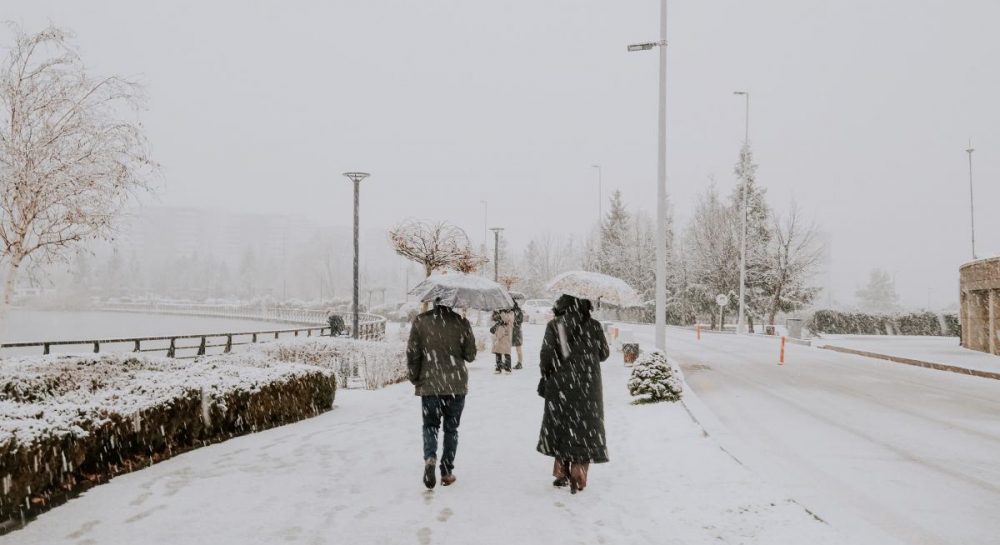
December 2026 Weather Outlook: Meteorologists Predict Milder Start to Winter in Ukraine
Climatologists forecast that December 2026 in Ukraine will be warmer than the climate norm. Above-zero temperatures are expected to prevail, accompanied by rain, wet snow…
 🛡️Security
Aftermath of the Dymer attack: status of residents and rescue operations
Following a nighttime drone strike in Dymer, Kyiv region, authorities have provided temporary housing for survivors, while the structural integrity of the building is bei…