Fiber Optic Drone War: Rising Costs and Supply Shortages Impact Ukraine's Defense Capabilities
Global prices for optical fiber have surged sixfold as Russia and Ukraine compete for Chinese supplies, forcing manufacturers to reconsider drone designs due to high costs.
 🏙️City
Photo: UNIAN
Key points
- Optical fiber prices jumped from $4 to $30 per kilometer.
- Russia utilizes centralized purchasing to secure bulk supplies from China.
- The massive scale of planned drone production (6.5M units) is driving a global shortage.
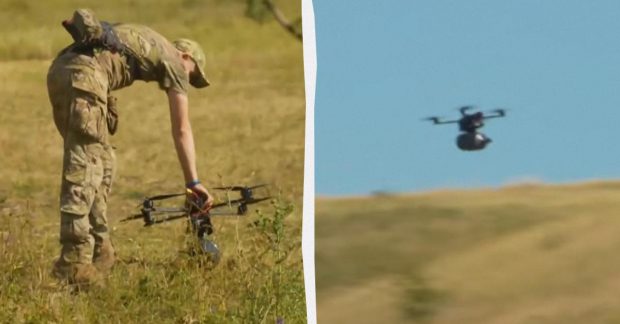
The modern technological war is entering a new phase where the key resource is no longer just ammunition, but communication methods resistant to Electronic Warfare (EW). In recent months, a fierce competition has unfolded on the global market for Chinese optical fiber, used to control drones via a thin cable. This technology allows drones to remain invulnerable to enemy jammers, but the surge in demand has led to a rapid increase in the cost of components.
According to analysts, the cost of high-quality fiber has increased more than sixfold. While a kilometer of material cost about $4 in the spring, the price has now reached $30. In addition to military needs, the market is pressured by the global expansion of data centers for artificial intelligence, which also require massive amounts of optics. This creates a situation where access to resources is a matter of logistical capability as much as financial power.
Centralized Procurement vs. Fragmented Markets
The main problem for the Ukrainian side lies in the procurement structure. The Russian Federation operates through centralized state mechanisms, ordering huge batches directly from Chinese manufacturers. In Ukraine, the market remains fragmented: hundreds of small companies, private workshops, and volunteer groups purchase components separately, often through intermediaries. This not only raises the final price but also places Ukrainian manufacturers at the back of the delivery queue.
Oleksandr Yakovenko, founder of TAF Industries, notes that the economic feasibility of using such drones is now under threat. For instance, the optical fiber alone for a single 30-kilometer range drone can cost nearly $1,000. Consequently, many developers are forced to return to wireless solutions or Starlink terminals, which are significantly cheaper in the current market environment.
China, which controls over half of the world's optical fiber production, officially claims to strictly monitor the export of dual-use goods. However, in practice, products are often shipped without labeling or through third countries. Analysts from Huatai Securities predict that demand for drone-related optical fiber could reach 146 million kilometers this year, as Ukraine plans to produce 3 million FPV drones and Russia aims for 3.5 million. This turns the component market into a "zero-sum game," where every meter of cable becomes a critical security factor.
Source UNIAN — unian.ua/weapons/rosiya-skupovuye-kitayske-optovolokno-dlya-droniv-… ↗
Read next
 🛡️Security
ISW analyzes humanitarian corridor proposals: Why the situation in Kostiantynivka differs from the South
The Institute for the Study of War explains why the Kremlin's proposal for evacuation from Kostiantynivka is unfeasible compared to Ukraine's initiatives along the Dniepe…
 🛡️Security
Another attack on the Novoshakhtinsk oil refinery in Russia
On the night of November 23, the Novoshakhtinsk oil refinery was hit. The facility is a key supplier of fuel for the Russian occupying forces.
 🚨Events
Man killed in shooting in Kharkiv: police launch special operation
On the evening of November 22, a man was found dead with signs of violent death in Kharkiv following reports of a shooting.
 🛡️Security
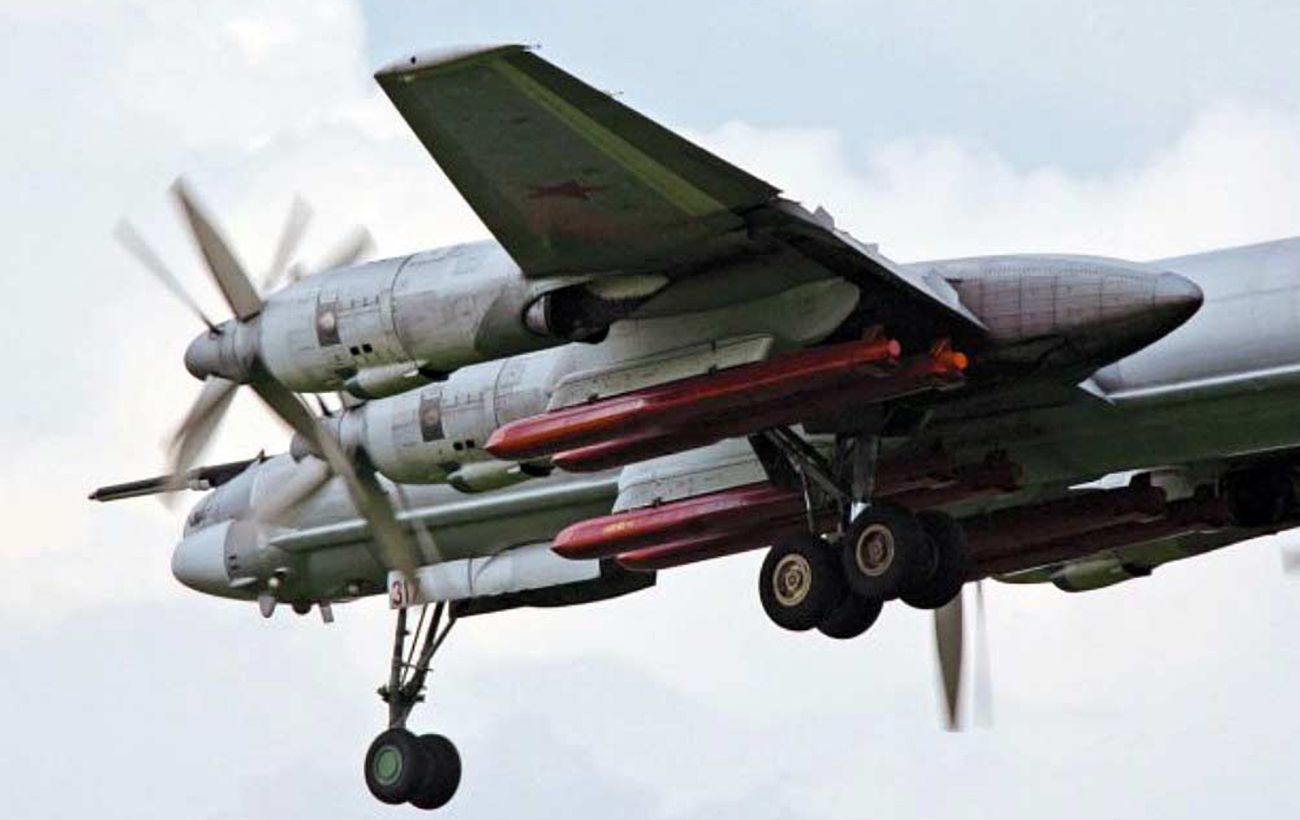
Fragments of latest Russian X-101 missiles found in Poland
Remnants of cruise missiles manufactured in Russia at the end of 2026 have been discovered in eastern Poland, prompting an urgent meeting of the NATO Council.
 👥Society
Charity auction in Lviv region raises UAH 60 million to support Ukrainian defenders
A major charity auction in the Lviv region has raised funds to purchase drones and support the rehabilitation of a wounded soldier.
 🚨Events
Nighttime Enemy UAV Attack: Regional Situation
On the night of November 23, Ukraine faced a massive strike by attack drones launched from several directions.