Scientists identify two critical periods when human immunity ages the fastest
Singaporean researchers have found that the human immune system ages unevenly, identifying two major age-related leaps around age 40 and after 60.
 🩺Health
Photo: UNIAN
Key points
- Immune system aging features two distinct leaps around age 40 and after 60.
- The study analyzed 3.8 million immune cells from 1,828 participants.
- Researchers discovered significant gender differences in immune cell aging patterns.
Maintaining long-term health and vitality has always been a primary focus of medical science, which constantly uncovers new insights into human biology. For a long time, biological aging was viewed as a slow, uniform process affecting all bodily systems at an equal pace. However, recent scientific findings challenge this assumption, demonstrating that our defense mechanisms undergo distinct turbulent phases where functional decline accelerates significantly.
Key milestones in immune system aging
A team of researchers in Singapore analyzed millions of immune cells from nearly two thousand healthy volunteers aged 19 to 97. By examining gene activity within these cells, the researchers identified two separate periods of rapid immune aging: the first occurs around the age of 40, and the second sets in after 60. Both stages are marked by increased systemic inflammation and disruptions in protein synthesis, leaving cells less capable of coping with stress and prone to accumulating defective proteins.
As noted by study co-author Zhak Bemoadas, T-cells responsible for fighting infections play a pivotal role in these changes. The research also highlighted notable gender differences in immune aging. For instance, tumor-fighting T-cells remain active longer in women, although other types of immune cells tend to age faster later in life. These distinct patterns may help explain differences in the prevalence of various health conditions between men and women.
This study provides valuable context for understanding biological vulnerabilities associated with age, offering a foundation for future preventative healthcare strategies.
Source UNIAN — unian.ua/curiosities/koli-nash-imunitet-stariye-nayshvidshe-vcheni-… ↗
Read next
 🏛️Politics
Debate over NABU's working methods: SAP prosecutor comments on the media component of anti-corruption cases
SAP prosecutor Rostyslav Batig responded to criticism regarding the substitution of evidence with media campaigns, praising the professionalism of the NABU media team.
 🏛️Politics
Rutte Rejects Russia's Demand for NATO to Return to 1997 Borders: Alliance Stance
NATO Secretary General Mark Rutte has dismissed Moscow's proposals to roll back the alliance's presence as 'unacceptable,' signaling a firm stance on European security.
 🛡️Security
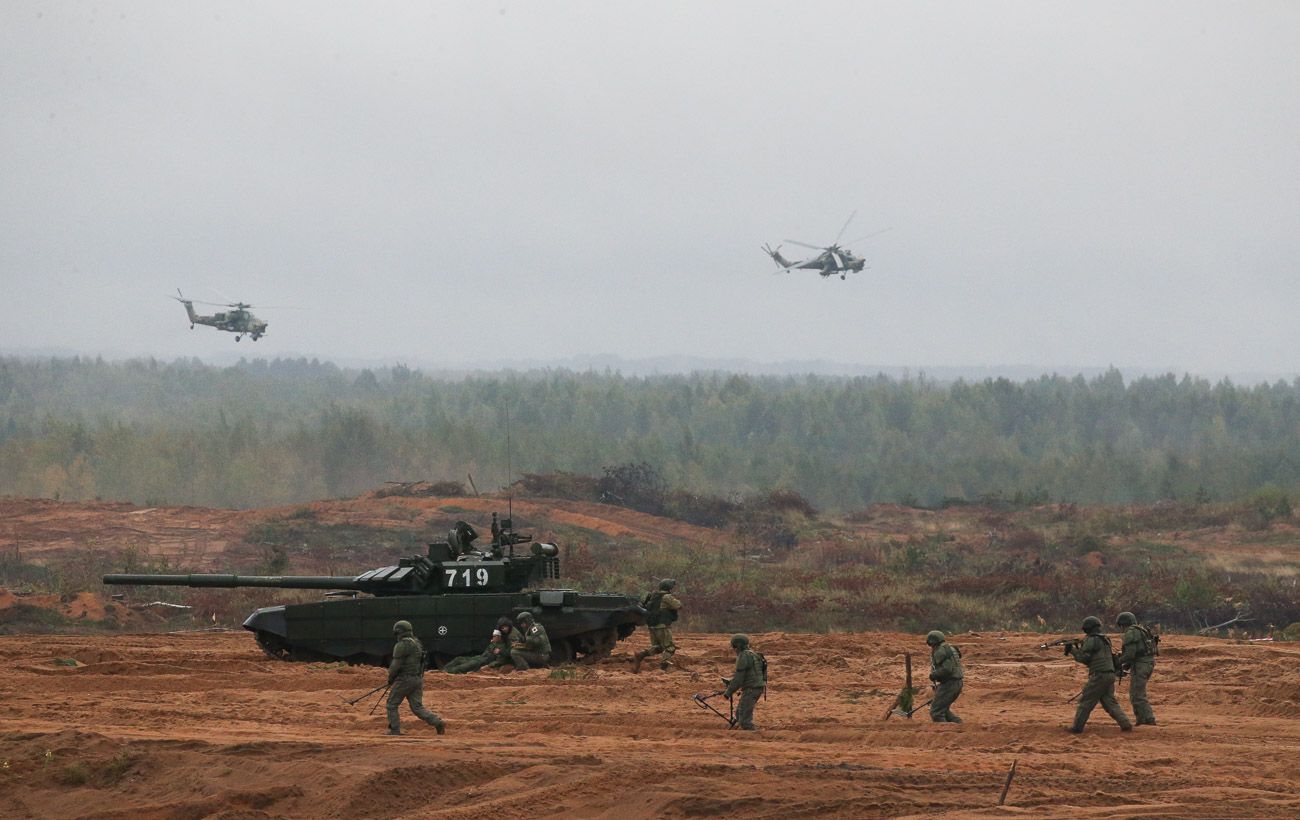
Russia expands military infrastructure near the Finnish border
Satellite imagery shows significant military construction at the Kamenka garrison, located just 60 km from the Finnish border.
 ⚽Sport
ATP Finals Review: Carlos Alcaraz Dominates and Young Talents Emerge
The conclusion of the ATP Finals highlighted Carlos Alcaraz's undisputed dominance and pointed to promising new faces in men's tennis.
 🧠AI Analysis
New Geography of Maritime Threats: Explosions and Fires Hit Russian Vessels from Libya to the Baltic
Incidents in the port of Benghazi and the Gulf of Finland highlight systemic vulnerabilities in Russia's international military logistics.
 🛡️Security
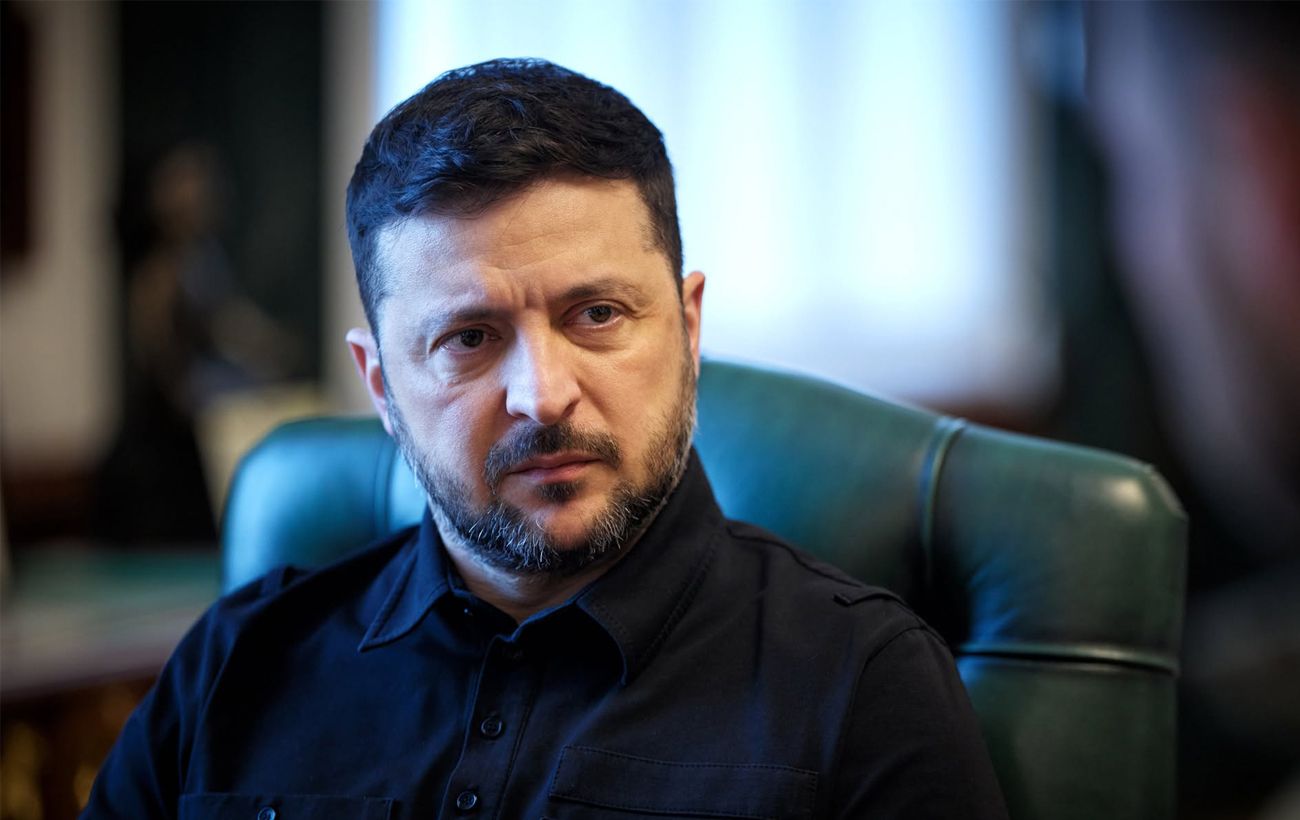
Zelenskyy announces updated Russian strike plans following intelligence report
President Volodymyr Zelenskyy reported receiving intelligence on updated enemy strike plans and held a meeting on mitigating the aftermath of attacks on the energy sector…