Rare 'Bohemian Truffles' and Asphalt-Breaking Fungi Found in Odesa Region National Park
Scientists at the 'Tuzlivski Lymany' National Park have identified five Red Book fungal species, including unique desert varieties and the 'Bohemian truffle'.
 👥Society
Photo: UNIAN
Key points
- Five Red Book fungal species were discovered in the Odesa region national park.
- Pisolithus arhizus ('Bohemian truffle') can break through asphalt during growth.
- The long-rooted dapperling was added to the list of rare local finds.
- Scientists warn against destroying unknown fungi due to their high ecological value.
Ukraine's natural diversity continues to surprise researchers, even in its arid regions. Within the 'Tuzlivski Lymany' National Nature Park in the Odesa region, scientists have documented the presence of rare fungi that play a critical role in sustaining local ecosystems. These organisms not only facilitate the nutrient cycle but also form complex symbiotic relationships with the park's vegetation.
Red Book Treasures of the Steppe
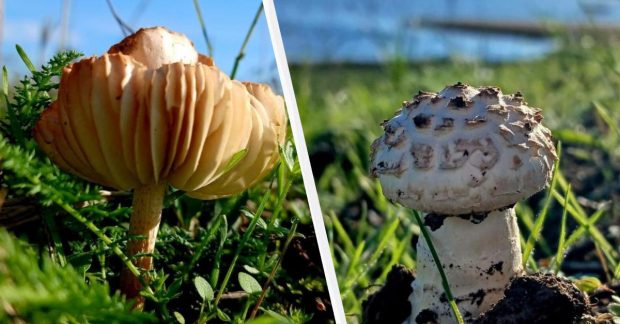
Among the most notable finds, specialists highlight Pisolithus arhizus. In Europe, this species is known as the 'Bohemian truffle' or 'dead man's foot'. Its defining characteristic is the ability to form mycorrhiza with tree roots and its extraordinary growth force: there are documented cases of its fruiting bodies breaking through asphalt pavement. Other protected species identified include the radiant montanea, which resembles a withered black flower, and the desert panaeolus.
Special attention was drawn to the long-rooted dapperling (Leucoagaricus barssii). This species was officially recorded in the park during recent research in October, marking a new milestone in the study of the protected area's mycological diversity. The fungus features a distinct elongated stem resembling a root and is exceptionally rare for this region.
Ecological Role and Warnings
Scientists emphasize that fungi are not merely objects for foraging but vital 'recyclers' of organic matter. For instance, the dotted poronia, also confirmed in the park, grows exclusively on the dung of herbivores, helping to clean pastures. Most of these species are difficult to spot due to their camouflaged coloring or small size, making them highly vulnerable to human interference.
"The fungal diversity of the park is much richer than it appears at first glance. We find macromycetes here that are adapted to the extreme conditions of sandy soils and moisture deficits," the national park's press service stated.
The park administration urges visitors to be cautious: do not pick unknown mushrooms or trample their habitats. This is crucial not only for the conservation of rare species but also for public safety, as toxic representatives can be found among exotic-looking fungi.
Source UNIAN — unian.ua/ecology/na-odeshchini-pomitili-ridkisni-gribi-sered-yakih-… ↗
Read next
 🛡️Security
Kremlin Statements on Refinery Attacks: Implications for Russia's Energy Sector
Vladimir Putin has threatened retaliation for strikes on Russian oil refineries, despite calls from the US to exercise restraint.
 🎭Culture & Sport
Alyona Alyona shares weight loss results after gastric surgery
The Ukrainian rapper discusses her recovery journey and the shift in her dietary habits following a surgical procedure.
 💼Economy
Legal battle over Kyiv Radio Plant energy grids: forgery allegations emerge
The Commercial Cassation Court continues to hear a dispute between Energik and Vardings regarding the ownership of energy infrastructure.
 🛡️Security
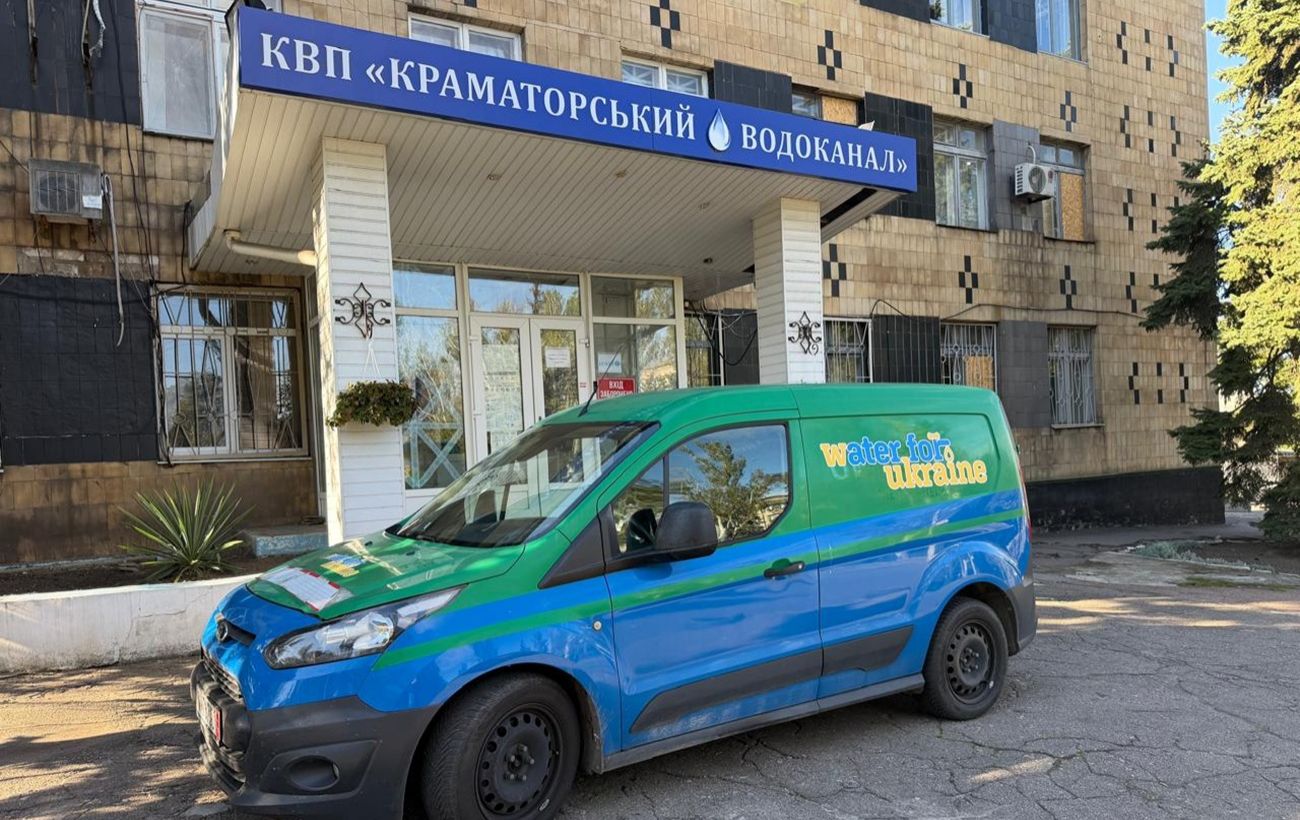
Personnel Crisis for Frontline Utilities: Kramatorsk Water Utility Loses Hundreds of Workers Amid Shelling
Due to constant threats to life and enemy attacks, the Kramatorsk water utility has lost nearly two hundred employees over three months as staff mass-resign and flee.
 🚨Events
Large-scale power outages announced in occupied Crimea
The occupation administration of the peninsula is introducing power consumption restriction schedules following instructions from the federal operator. The outages will l…
 🎭Culture & Sport
Century-old traditions: how Ukrainian intelligentsia celebrated Christmas in the early 20th century
Memoirs of contemporaries and archival cookbooks reveal lesser-known facts about how a century ago the Ukrainian intelligentsia prepared for Christmas.