Military Justice in Ukraine: Why Human Rights Defenders Warn Against Military Courts
The debate over reinstating military courts and prosecution continues in Ukraine. The human rights center 'Principle' explains the potential risks to service members' rights.
 👥Society
Photo: Ukrainska Pravda
Key points
- Parliamentary discussions on military justice are currently underway.
- Human rights advocates warn against risks to judicial independence.
- The 'Principle' center proposes specializing existing civilian judges.
The issue of restoring specialized military justice has returned to the spotlight amid the full-scale war. The temporary special parliamentary commission is actively reviewing proposals to bring back military courts, prosecutors, and investigators. However, the expert community urges a careful assessment of all potential risks such a step poses to judicial independence and the protection of service members' rights.
Why Disputes Arise Over Military Courts
Proponents of a separate judicial vertical for the army generally argue that military cases should be handled by individuals with direct service experience. In their view, civilian judges cannot always fully grasp the specifics of military life and combat conditions. Nevertheless, human rights advocates point out a fundamental conflict: the military is built on a chain of command and strict subordination, whereas justice requires absolute independence and impartiality.
Granting military ranks to judges creates a risk of direct interference by the command structure or the Ministry of Defense. Furthermore, the existing civilian court system has accumulated substantial experience in handling such cases throughout the war. Experts note that military status alone does not guarantee legal expertise, and qualified specialists can always be appointed when specialized knowledge is required.
An Alternative Path: Specialization Instead of a New Vertical
Instead of undertaking the complex process of building separate courts from scratch, the human rights center suggests focusing on the specialization of existing civilian judges. Deepening expertise in offenses related to military service regulations can improve decision quality without risking judicial independence.
At the same time, experts recall past legislative initiatives aimed at increasing subordinates' liability, which demonstrated how delicate the balance between military discipline and fair trial is during wartime.
Source Ukrainska Pravda — pravda.com.ua/news/2026/11/20/8063800/ ↗
Read next
 🛡️Security
ISW analyzes humanitarian corridor proposals: Why the situation in Kostiantynivka differs from the South
The Institute for the Study of War explains why the Kremlin's proposal for evacuation from Kostiantynivka is unfeasible compared to Ukraine's initiatives along the Dniepe…
 🛡️Security
Another attack on the Novoshakhtinsk oil refinery in Russia
On the night of November 23, the Novoshakhtinsk oil refinery was hit. The facility is a key supplier of fuel for the Russian occupying forces.
 🚨Events
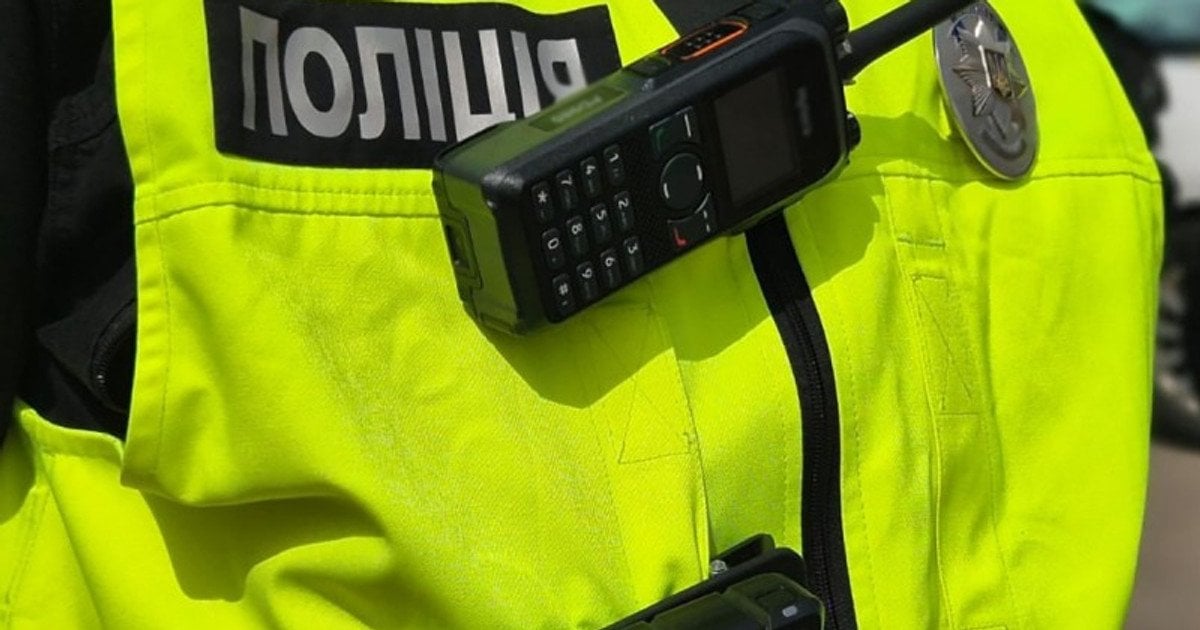
Man killed in shooting in Kharkiv: police launch special operation
On the evening of November 22, a man was found dead with signs of violent death in Kharkiv following reports of a shooting.
 🛡️Security
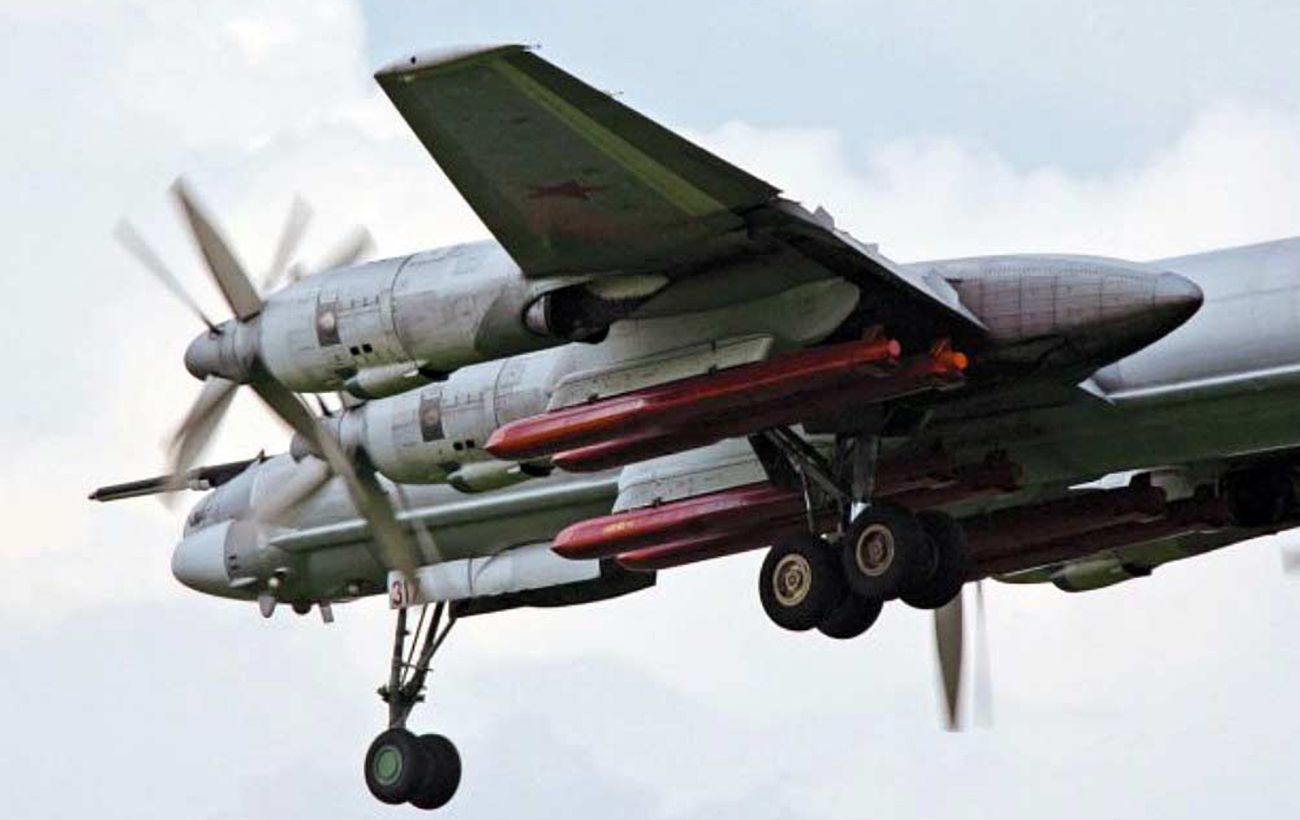
Fragments of latest Russian X-101 missiles found in Poland
Remnants of cruise missiles manufactured in Russia at the end of 2026 have been discovered in eastern Poland, prompting an urgent meeting of the NATO Council.
 🚨Events
Nighttime Enemy UAV Attack: Regional Situation
On the night of November 23, Ukraine faced a massive strike by attack drones launched from several directions.
 🏙️City
How to prepare your home for winter: simple window insulation tips
With the cold season approaching, energy efficiency is a priority for Uman residents. Experts suggest simple methods for diagnosing and fixing heat loss in apartments.