History and Traditions of New Year: Why We Celebrate on January 1
Exploring the origins of the January 1 date and the evolution of the calendar systems that shaped modern New Year celebrations.
 🎭Culture & Sport
Photo: TSN
Key points
- January 1 became the start of the year due to reforms by Julius Caesar and Gregory XIII.
- The name of the month January comes from the Roman god Janus.
- Different nations around the world have unique New Year traditions related to food and rituals.
The Evolution of the Calendar Date
The tradition of celebrating New Year on January 1 has deep roots dating back to Ancient Rome. Although various civilizations for millennia linked the beginning of the year to natural cycles, such as the spring equinox or the flooding of the Nile, it was the reform of Julius Caesar in 46 BC that established January as the starting point.
The name of the month comes from the god Janus, who symbolized transitions and new beginnings. Despite this, in medieval Europe, celebrations often fell on religious holidays, such as Christmas or the Annunciation. It was only the introduction of the Gregorian calendar by Pope Gregory XIII in 1582 that finally unified the date for most countries in the world.
Diverse Global Customs
- In Spain, there is a tradition of eating 12 grapes as the clock strikes midnight to bring luck for each month.
- Japanese Buddhist temples mark the arrival of the new year with 108 bell tolls, symbolizing the cleansing of human passions.
- In Italy, lentils are considered a symbol of prosperity on the festive table, as they resemble coins.
Today, January 1 remains the generally accepted start of the calendar year, although many cultures, such as the Chinese or Jewish, continue to follow their own traditional dates.
Source TSN — tsn.ua/tsikavinki/koly-sviatkuiut-novyy-rik-chomu-data-prypadaye-na-1-s… ↗
Read next
 🏛️Politics
Debate over NABU's working methods: SAP prosecutor comments on the media component of anti-corruption cases
SAP prosecutor Rostyslav Batig responded to criticism regarding the substitution of evidence with media campaigns, praising the professionalism of the NABU media team.
 🏛️Politics
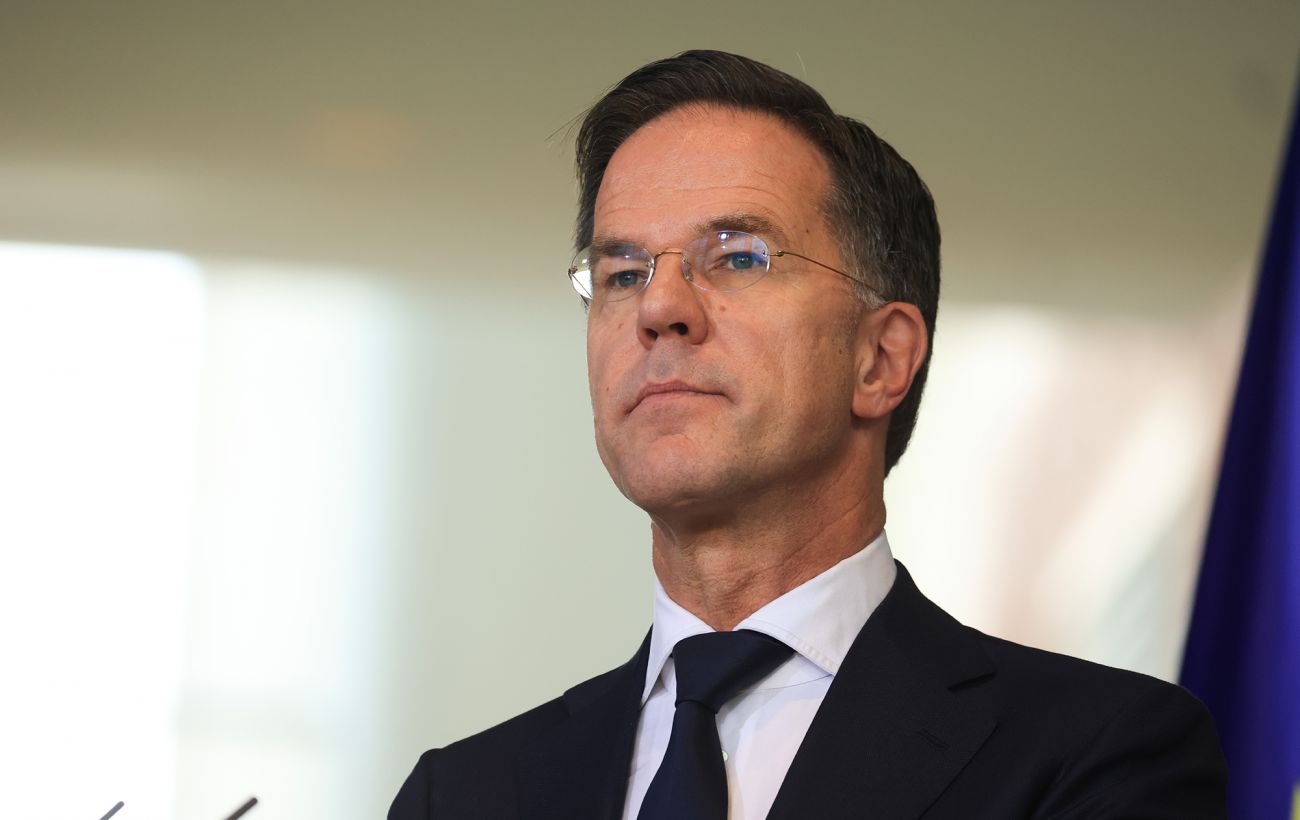
Rutte Rejects Russia's Demand for NATO to Return to 1997 Borders: Alliance Stance
NATO Secretary General Mark Rutte has dismissed Moscow's proposals to roll back the alliance's presence as 'unacceptable,' signaling a firm stance on European security.
 🛡️Security
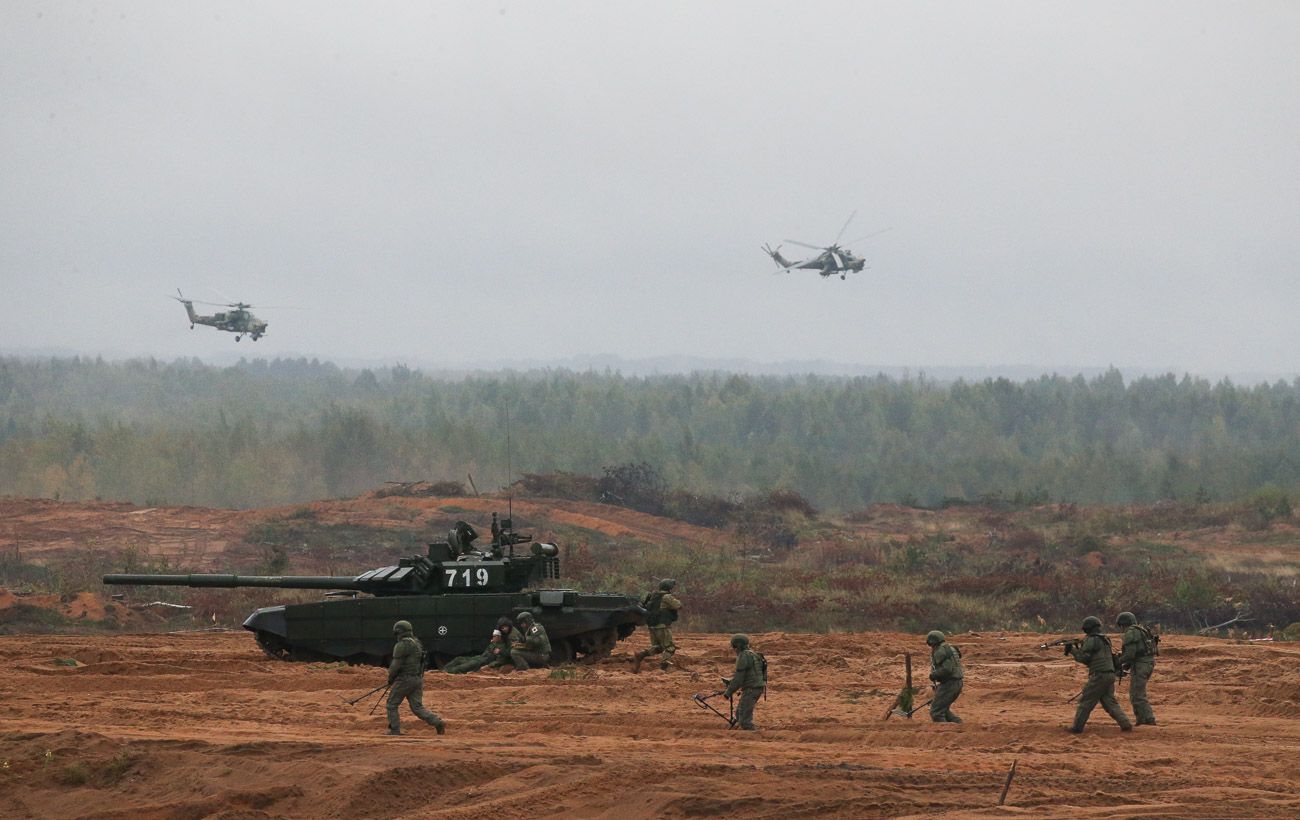
Russia expands military infrastructure near the Finnish border
Satellite imagery shows significant military construction at the Kamenka garrison, located just 60 km from the Finnish border.
 ⚽Sport
ATP Finals Review: Carlos Alcaraz Dominates and Young Talents Emerge
The conclusion of the ATP Finals highlighted Carlos Alcaraz's undisputed dominance and pointed to promising new faces in men's tennis.
 🩺Health
Scientists identify two critical periods when human immunity ages the fastest
Singaporean researchers have found that the human immune system ages unevenly, identifying two major age-related leaps around age 40 and after 60.
 🇺🇦Ukraine
Volodymyr Zelenskyy Outlines Key Questions on Security Guarantees for Ukraine Before NATO PA
During his address to the NATO Parliamentary Assembly, President Volodymyr Zelenskyy raised five critical questions regarding future security guarantees.