Does Chicken Soup Actually Cure a Cold? A Doctor Explains
Medical experts weigh in on the popular folk remedy of hot chicken soup for seasonal viral infections and explain its actual physiological effects.
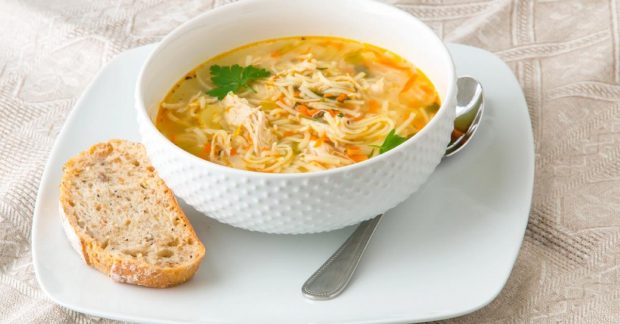 🩺Health
Photo: UNIAN
Key points
- Chicken soup helps relieve cold symptoms and supports hydration
- Scientific studies show partial benefits but do not classify soup as a cure
- Doctors recommend a full soup with meat and vegetables when appetite allows
- Individuals with hypertension or kidney issues should limit salty broths
The tradition of treating a cold with a hot bowl of chicken soup has been passed down through generations. For many residents, this comforting home remedy offers immediate relief during illness. However, modern medical science takes a more measured approach to traditional beliefs, even while acknowledging some genuine health benefits of the dish.
What Science Says About Soup During Illness
Recent scientific reviews indicate that certain soups can indeed help alleviate symptoms of acute respiratory infections. According to gastroenterologist and dietician Lyudmyla Fedorchenko, some studies have noted a potential reduction in illness duration and changes in inflammatory markers. Nevertheless, these studies were relatively small and varied in recipes, meaning chicken soup cannot yet be classified as a definitive antiviral medication.
Experts highlight several mechanisms behind the soup's benefits. First, warm liquids can ease the subjective sensation of nasal congestion and sore throat. Second, consuming soup helps maintain hydration during a fever when appetite is low. Third, laboratory hypotheses suggest potential anti-inflammatory effects on immune cells, though human trials are still limited.
Practical Recommendations When You Are Sick
If appetite permits, physicians recommend eating a full chicken soup containing meat, vegetables, and grains rather than a strained broth alone. The body requires energy and nutrients, not just warmth and fluids. Additionally, the food should be comfortably warm rather than excessively hot to avoid irritating inflamed mucous membranes.
At the same time, certain precautions apply for individuals with chronic health conditions. Patients with heart failure, hypertension, or kidney disease should monitor sodium intake and avoid concentrated bouillon cubes. Those dealing with gout, pancreatitis, or chicken protein allergies also need to exercise caution regarding specific ingredients and fat content.
Source UNIAN — unian.ua/health/chi-diysno-dopomagaye-bulyon-pri-zastudi-vidpovid-l… ↗
Read next
 👥Society
How to Use Apple Peels Near the Radiator for Autumn Comfort
A simple household lifehack will help fill your home with a natural scent during the heating season.
 🚨Events
International Operation: Law Enforcement Dismantles Fraudulent Call Center Network
Ukrainian law enforcement officers, together with colleagues from three European countries, have dismantled a large-scale call center network linked to the Khimprom drug …
 🚨Events
Cherkasy Region Police Deny Fake News About Patrol Car Accident
Law enforcement officers officially denied information regarding a crash involving a police vehicle, which was spread across local Telegram channels.
 🎭Culture & Sport
Putin's Invitation to Moscow: Germany's Reaction and Ukraine's Stance on Negotiations
German Defense Minister Boris Pistorius commented on the idea of European leaders visiting Moscow, emphasizing the need for dialogue alongside real steps toward peace.
 🛡️Security
NATO officially recognizes cyberspace and electromagnetic spectrum as new warfighting domains
The Alliance is integrating cyber and electromagnetic dimensions into its military doctrine, drawing on Ukraine's combat experience.
 👥Society
Military Justice in Ukraine: Why Human Rights Defenders Warn Against Military Courts
The debate over reinstating military courts and prosecution continues in Ukraine. The human rights center 'Principle' explains the potential risks to service members' rig…